/HubSpot%20-%20eBook%20-%20Proof%20Card%20Mockup%20001.jpg?length=1000&name=HubSpot%20-%20eBook%20-%20Proof%20Card%20Mockup%20001.jpg)
/HubSpot%20-%20eBook%20-%20Proof%20Card%20Mockup%20001.jpg?length=1000&name=HubSpot%20-%20eBook%20-%20Proof%20Card%20Mockup%20001.jpg)
/HubSpot%20-%20eBook%20-%20Proof%20Card%20Mockup%20001.jpg?length=1000&name=HubSpot%20-%20eBook%20-%20Proof%20Card%20Mockup%20001.jpg)
/HubSpot%20-%20eBook%20-%20Proof%20Card%20Mockup%20001.jpg?length=1000&name=HubSpot%20-%20eBook%20-%20Proof%20Card%20Mockup%20001.jpg)
/HubSpot%20-%20eBook%20-%20Proof%20Card%20Mockup%20001.jpg?length=1000&name=HubSpot%20-%20eBook%20-%20Proof%20Card%20Mockup%20001.jpg)
/HubSpot%20-%20eBook%20-%20Proof%20Card%20Mockup%20001.jpg?length=1000&name=HubSpot%20-%20eBook%20-%20Proof%20Card%20Mockup%20001.jpg)
/HubSpot%20-%20eBook%20-%20Proof%20Card%20Mockup%20001.jpg?length=1000&name=HubSpot%20-%20eBook%20-%20Proof%20Card%20Mockup%20001.jpg)
/HubSpot%20-%20eBook%20-%20Proof%20Card%20Mockup%20001-min.jpg?length=1000&name=HubSpot%20-%20eBook%20-%20Proof%20Card%20Mockup%20001-min.jpg)


Higher Education
Collaboration is thriving. Keeping it sustainable is the job.
Universities create class and faculty sites constantly, for thousands of students, staff, and outside collaborators. Orchestry gives IT one place to provision sites to standard, apply sensitivity labels, manage guest access, and reclaim storage from sites no one uses anymore, without slowing collaboration down.
Request a demo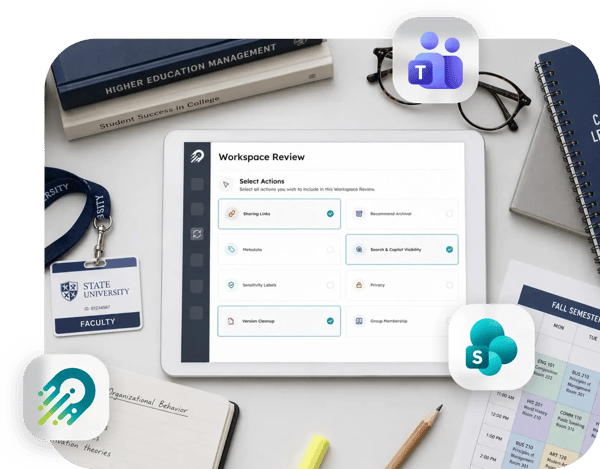

Class and faculty sites multiply faster than anyone tracks them
Microsoft 365 makes it easy to create a site for every class, project, and faculty. It doesn't make it easy to see who owns them, what's in them, or when the work ended.

Guests who finished the work still have access
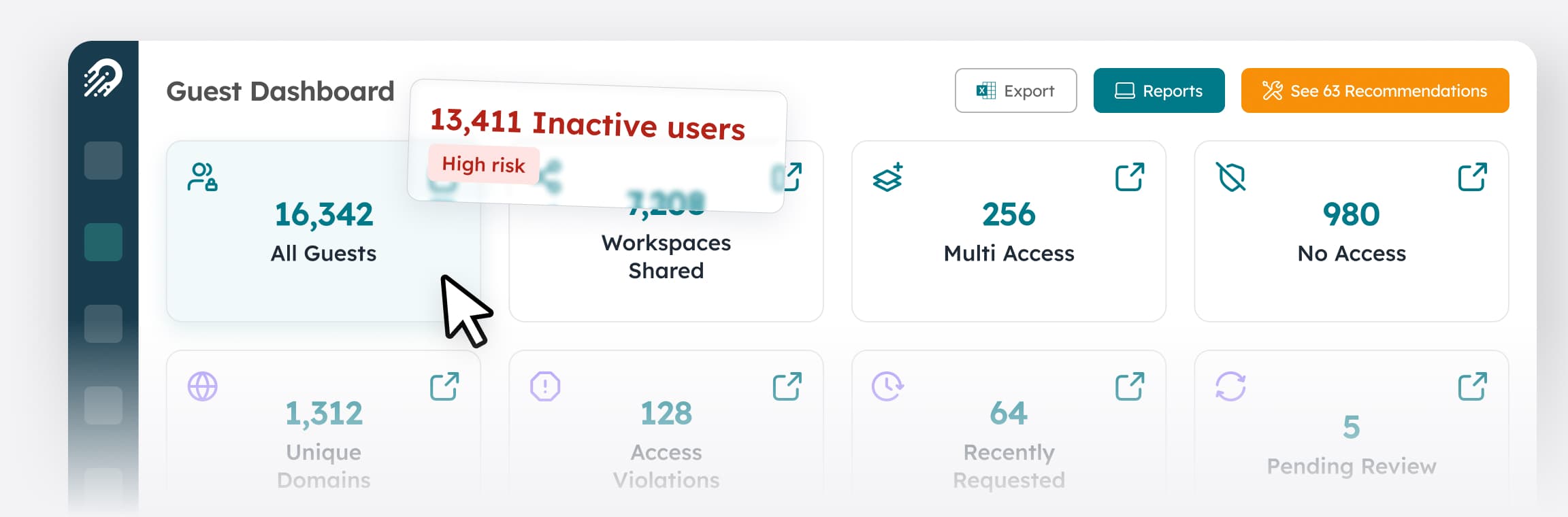
Research collaborators, visiting staff, partner institutions: access gets granted and rarely gets reviewed. There's no natural moment when the collaboration ends and the access does too.

Old sites leave storage behind, and that storage costs money now
Microsoft's pooled-storage model turned ungoverned content growth into a budget line. What used to be messy but invisible under per-user licensing now shows up on a bill.

Locking things down isn't the answer
Universities treat open access and collaboration as academic values, not IT preferences. Governance that restricts self-service doesn't get adopted.

AI will surface whatever a user can already reach
Sites no one owns, unlabeled sensitive research data, and guests with lingering access don't stay invisible when Copilot is switched on. Getting the tenant AI-ready means doing the governance and cleanup work first.

"Orchestry has been a set-and-forget solution for us. It's very low touch for IT, but delivers very high value across the University."
 |
Robert Jurgensen Head of Cloud Infrastructure |
36%
Of existing workspaces flagged for archiving
75 hours
Freed per month through automated lifecycle management
900+
Hours of IT time freed per year with automated lifecycle management
Every class and project site, created to standard
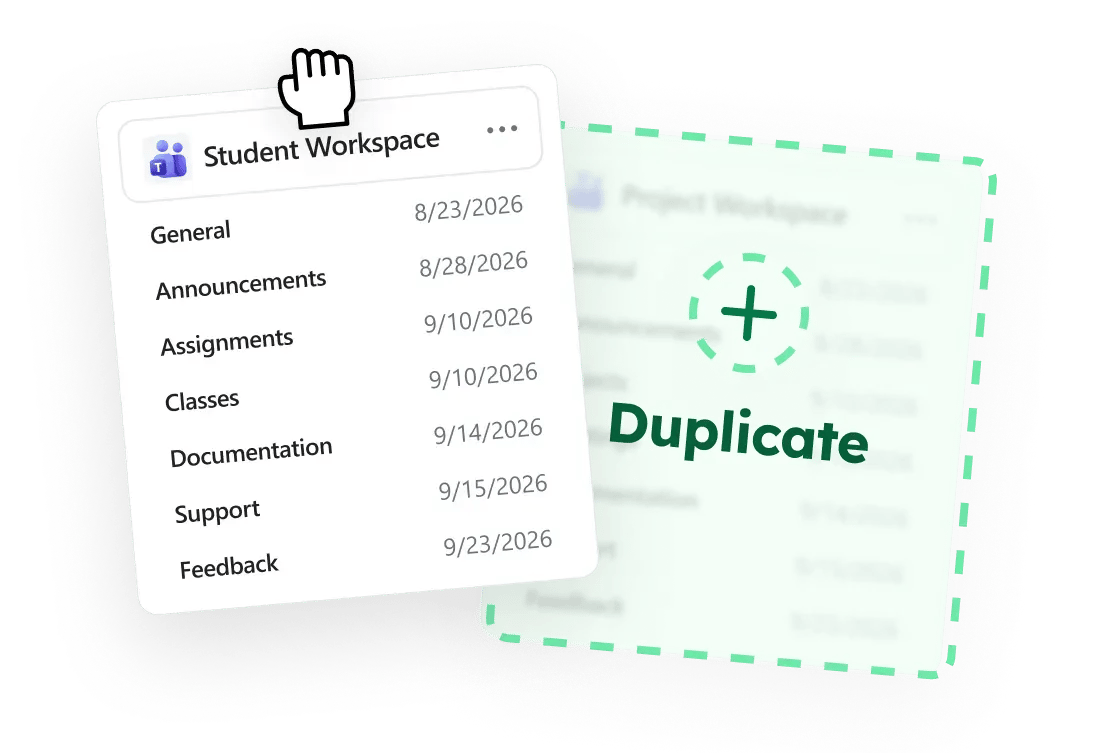
Orchestry's provisioning templates apply your governance standards at creation, so faculty and staff keep self-service and IT keeps oversight. Policy runs quietly underneath; no one has to become the Teams request police.
-
Governed self-service for class and project sites, with naming, owners, and metadata enforced every time
-
The right sensitivity label applied at creation, not chased down later
-
Templates for each site type, including class team, research project, department, committee, and public-facing
-
Approval routing for higher-risk requests, so the right person signs off before a site exists
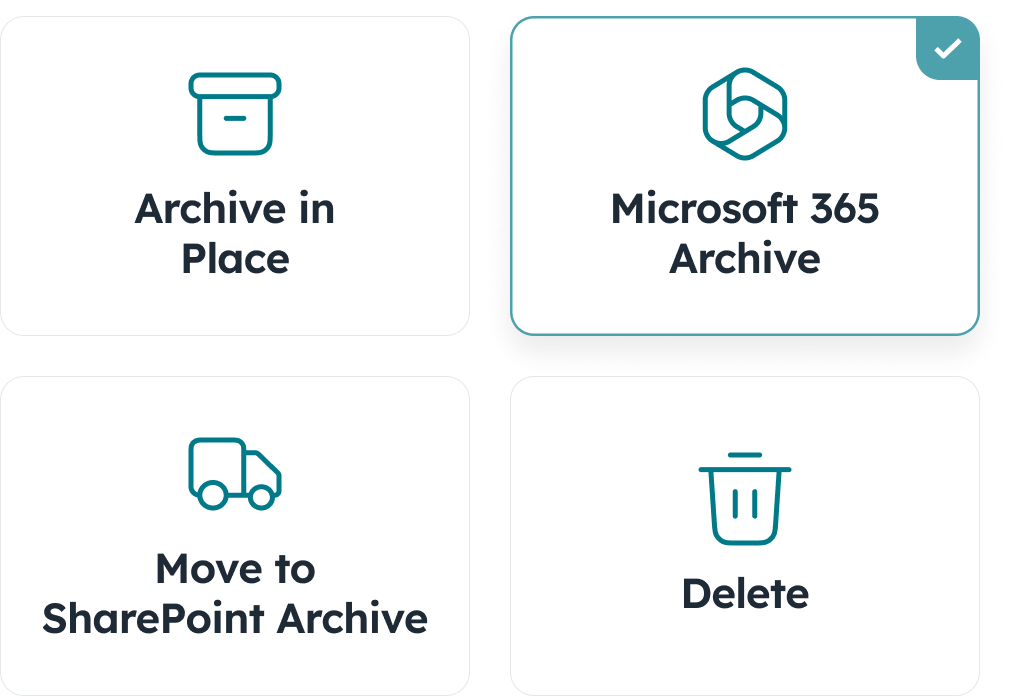
Reclaim the storage old sites leave behind
When a class ends, the site doesn't. It stays open, unreviewed, and occupying storage under a model where ungoverned content growth is now a real budget line. One university found tens of thousands of disabled or deleted user accounts still occupying tenant storage. Orchestry surfaces inactive sites and sites no one owns, then routes archival decisions to the owner as one-click actions, configured per site type, so storage comes back without IT chasing down every owner.
-
Inactive sites, and sites no one owns, surfaced automatically
-
Inactivity-based archival and renewal policies, with owners reviewing before anything is sealed, configured per site type
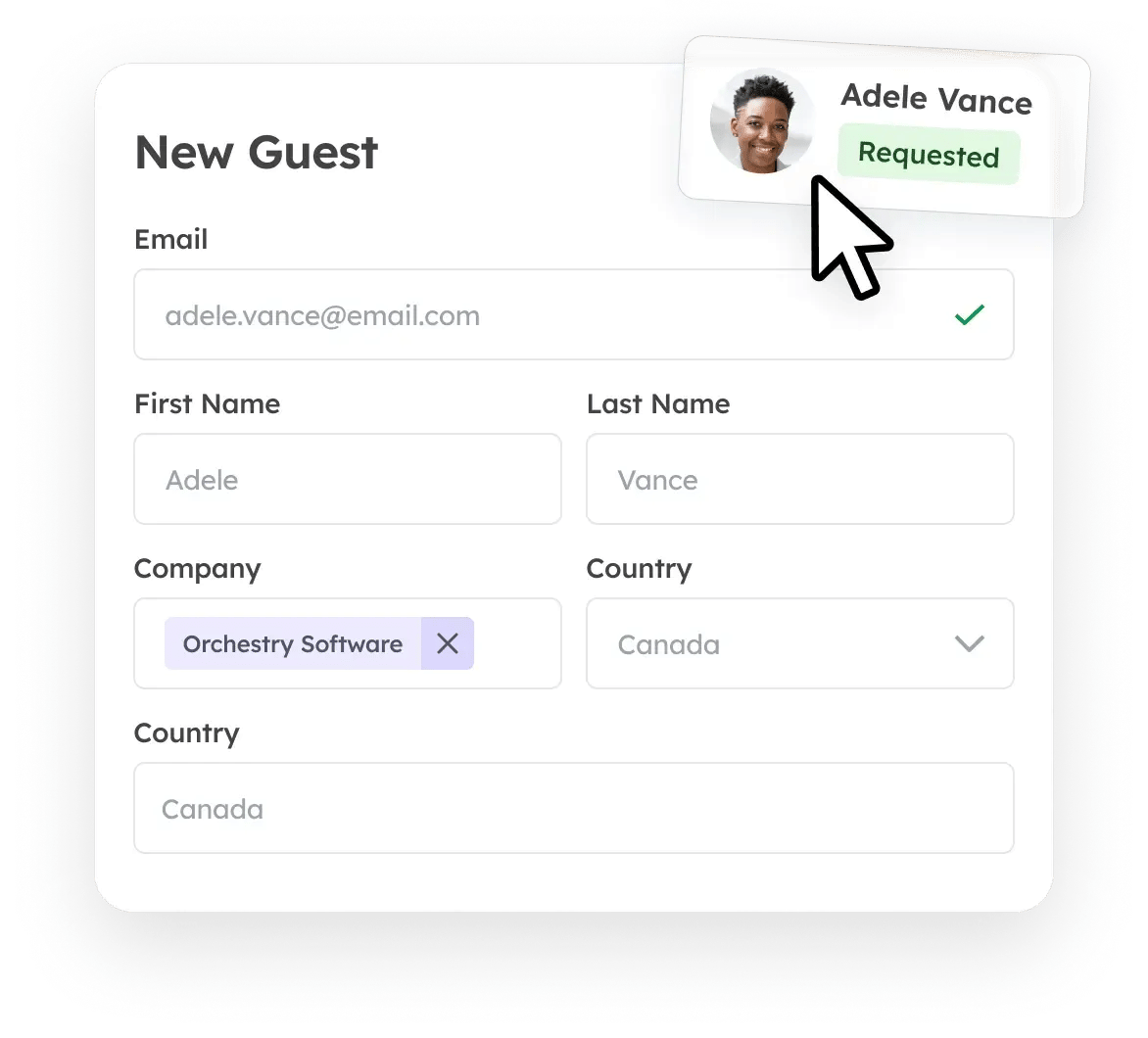
Guest access and oversharing, visible and reviewed
Universities collaborate constantly with outside parties, and access rarely gets removed when the work ends. Orchestry gives IT the full guest and external exposure in one view, then routes the cleanup to owners as one-click actions.
-
Guest requests routed to a responsible owner for one-click approval
-
A monthly workspace review covers guest access, sensitivity labels, and sharing health in about 20 minutes per owner
-
Membership, sharing links, and broken permissions surfaced in one view, not dug out site by site
-
Oversharing detection flags sensitive student or research content exposed too broadly