/HubSpot%20-%20eBook%20-%20Proof%20Card%20Mockup%20001.jpg?length=1000&name=HubSpot%20-%20eBook%20-%20Proof%20Card%20Mockup%20001.jpg)
/HubSpot%20-%20eBook%20-%20Proof%20Card%20Mockup%20001.jpg?length=1000&name=HubSpot%20-%20eBook%20-%20Proof%20Card%20Mockup%20001.jpg)
/HubSpot%20-%20eBook%20-%20Proof%20Card%20Mockup%20001.jpg?length=1000&name=HubSpot%20-%20eBook%20-%20Proof%20Card%20Mockup%20001.jpg)
/HubSpot%20-%20eBook%20-%20Proof%20Card%20Mockup%20001.jpg?length=1000&name=HubSpot%20-%20eBook%20-%20Proof%20Card%20Mockup%20001.jpg)
/HubSpot%20-%20eBook%20-%20Proof%20Card%20Mockup%20001.jpg?length=1000&name=HubSpot%20-%20eBook%20-%20Proof%20Card%20Mockup%20001.jpg)
/HubSpot%20-%20eBook%20-%20Proof%20Card%20Mockup%20001.jpg?length=1000&name=HubSpot%20-%20eBook%20-%20Proof%20Card%20Mockup%20001.jpg)
/HubSpot%20-%20eBook%20-%20Proof%20Card%20Mockup%20001.jpg?length=1000&name=HubSpot%20-%20eBook%20-%20Proof%20Card%20Mockup%20001.jpg)
/HubSpot%20-%20eBook%20-%20Proof%20Card%20Mockup%20001-min.jpg?length=1000&name=HubSpot%20-%20eBook%20-%20Proof%20Card%20Mockup%20001-min.jpg)


Legal
Microsoft doesn't know what a matter is. Your firm does.
Law firms organize work into client matters, but Microsoft 365 doesn't. Orchestry adds the governance layer: provisioning with your firm's policies built in, lifecycle management from provisioning through archival, and the audit trail your Risk Committee needs.
Request a demo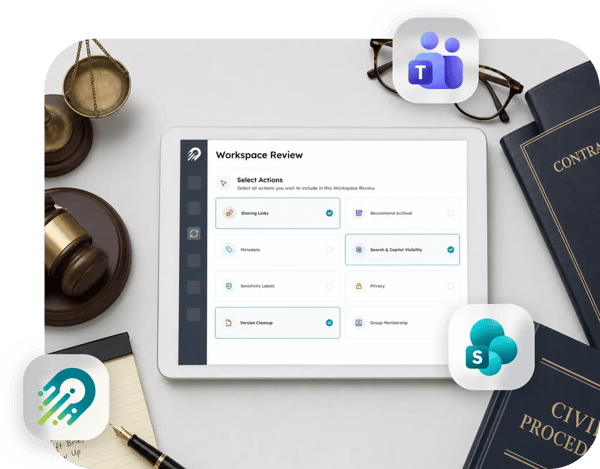

Microsoft creates the workspace. It doesn't enforce your rules.
SharePoint, your DMS, and Purview each stop short of firm-level governance. There's a gap between your M365 collaboration surface and your firm's information governance policies, and that gap is where risk accumulates.

Firms create workspaces by the thousand, not the hundred.
Governance that holds at 200 sites breaks at 20,000. A single firm can have thousands of active clients and matters running in parallel, each with its own ownership, permissions, and lifecycle requirements.

AI will surface whatever it can reach.
Oversharing, ownerless teams, and stale content don't stay invisible when Copilot and other AI tools enter the tenant. Governance is the prerequisite for a safe rollout, not a cleanup project you run afterward.

Every external collaborator is a privilege risk.
Co-counsel, expert witnesses, and clients need access to active matter workspaces. The problem is what happens after: reviews that don't happen on cadence, access that isn't removed, and no audit trail when someone asks.

Workspaces outlive the work inside them.
A matter closes. The Teams site stays open, unreviewed, and accessible. Multiply that across thousands of client engagements and you have retention exposure your firm didn't sign up for.

"Orchestry gives you what Microsoft can't: granular control over Teams guest access, the ability to empower your users to create Teams, stop Teams sprawl, and add real governance through policy. It closed a compliance gap for us that the native M365 tools simply couldn't."
 |
Chris Goldsworthy Burges Salmon LLP |
300+
External guest accounts removed in a single cleanup
9,498
Provisioned matter sites in a single tenant
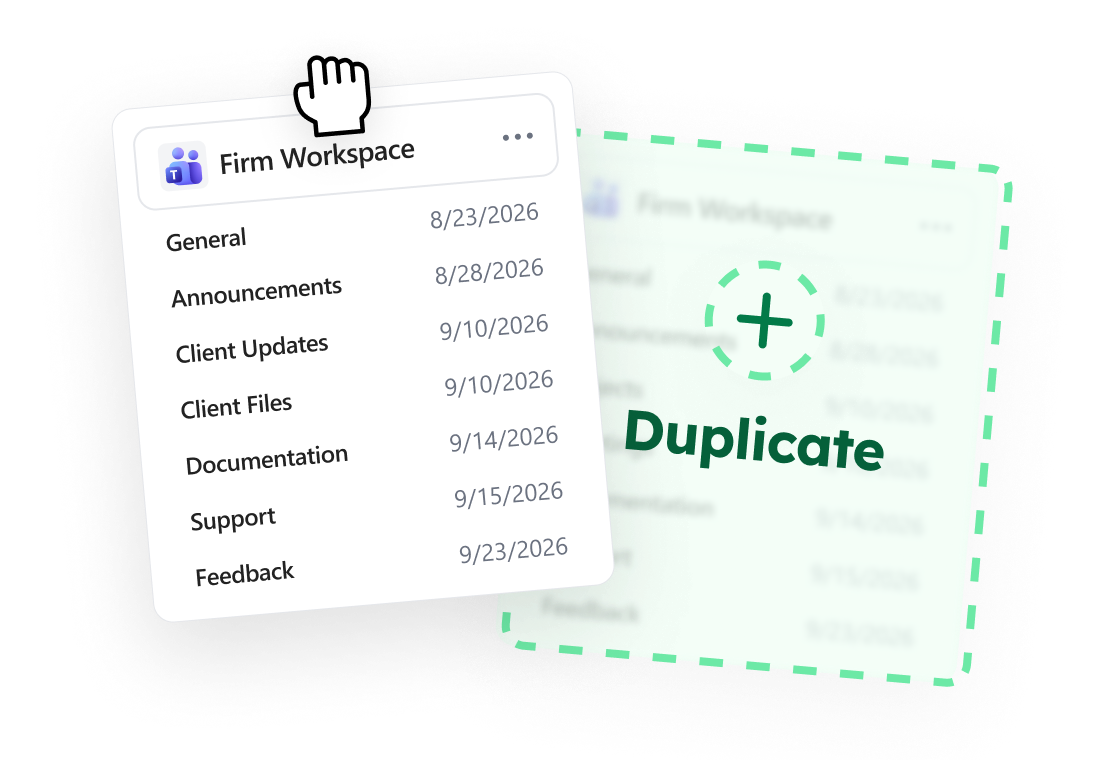
Your policies, enforced at the point of creation
Governance starts at the request form, not in a review six months later. Orchestry's templates bake your firm's rules into the moment a workspace is created, so fee-earners get self-service and IT keeps oversight.
-
Provisioning templates enforce naming, ownership, sensitivity labels, and retention settings at request time, configured by workspace type
-
Self-service for fee-earners: policy guardrails applied automatically as workspaces are created, and fewer service-desk tickets for IT
-
Approval routing for higher-risk matters, so the right person signs off before a workspace exists
-
Templates for each workspace type, including client matter, practice group, committee, and external-facing
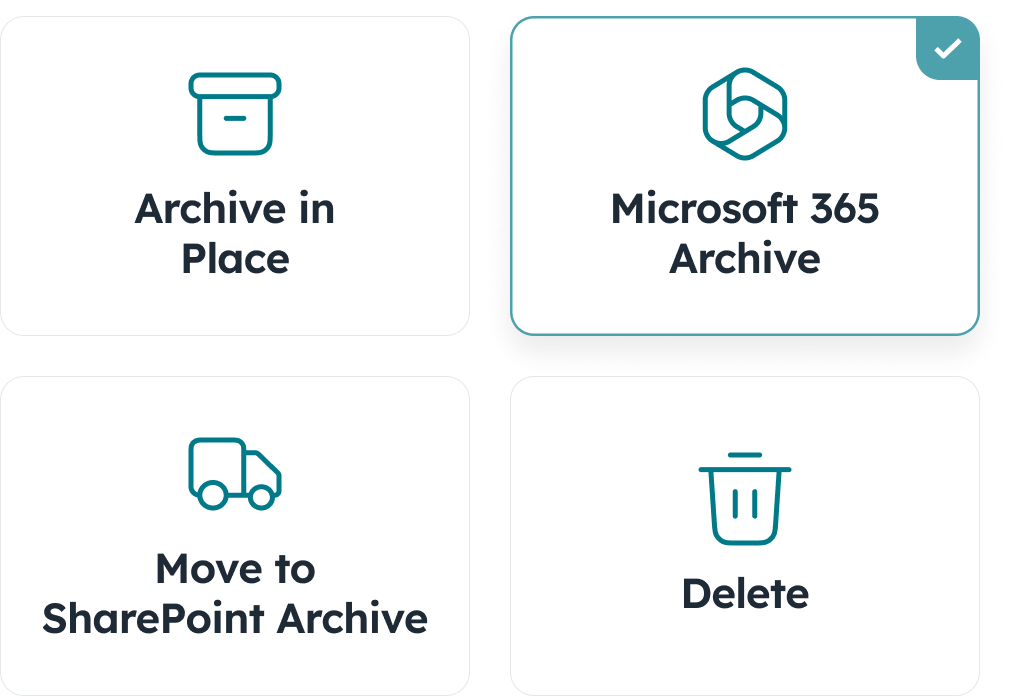
Client matter closed. Workspace sealed. Record preserved.
Matters wind down. Their workspaces don't, unless a policy says otherwise. Orchestry retires inactive matter workspaces on a schedule you define, so closed matters stop accumulating as open retention exposure.
-
Configurable definition of "activity" to match how your matters actually work
-
Archival and renewal policies set by inactivity threshold, configured per workspace type
-
Two-step flow: owners review before workspaces are archived
-
Force-run controls for records and compliance teams who need them on demand
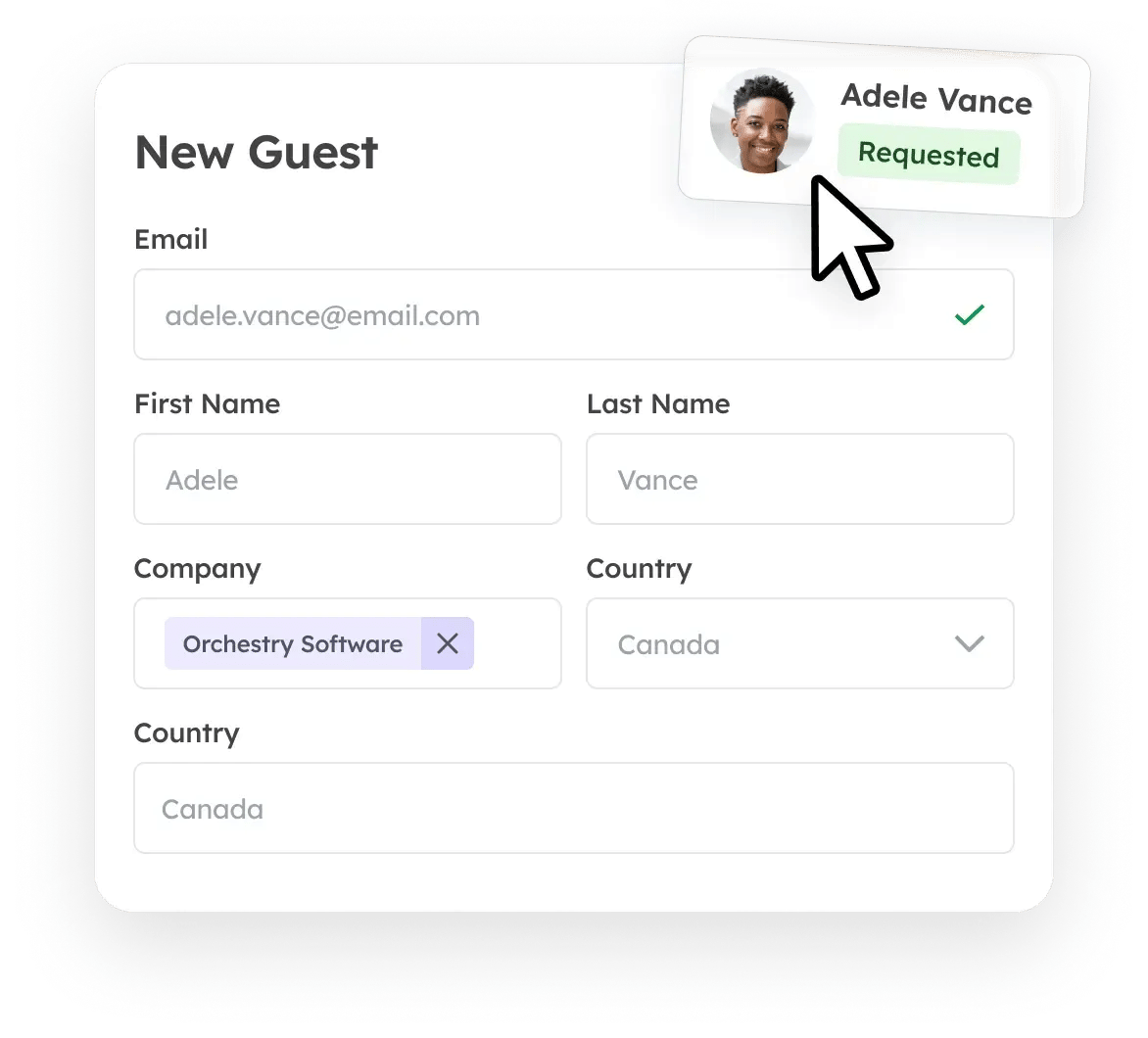
External access that holds up when auditors ask
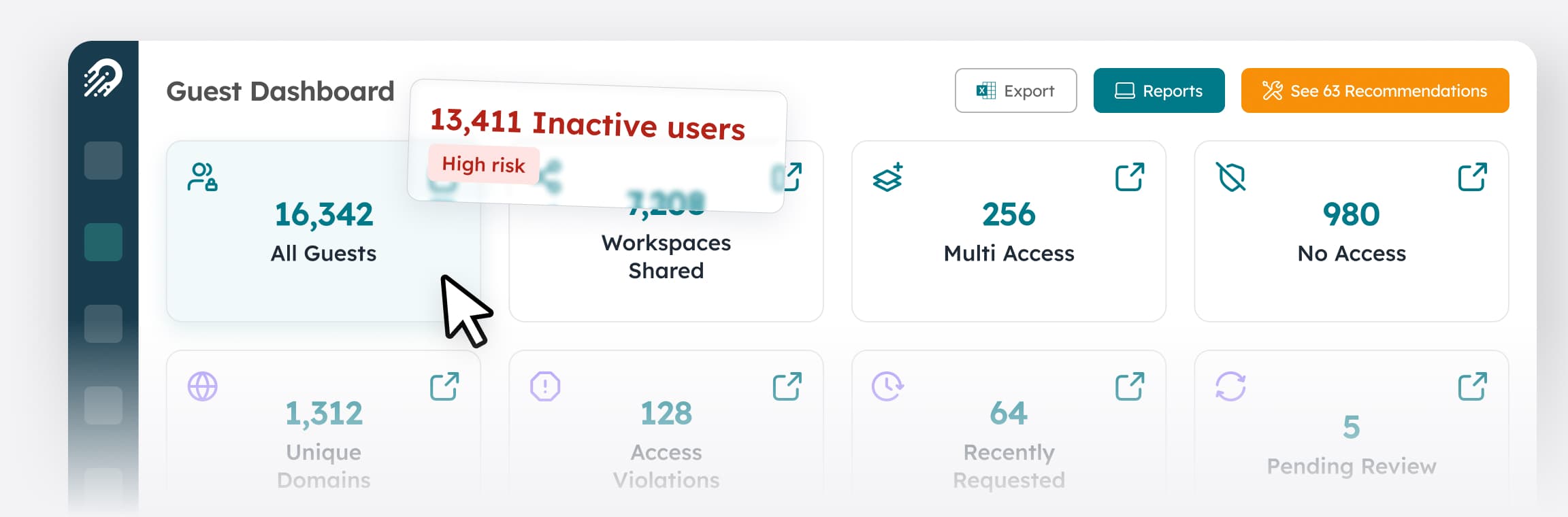
Co-counsel, expert witnesses, clients, and opposing counsel under protective orders all need access to active matters, and every external collaborator is a privilege risk and an audit line item. Orchestry gives IT the full external exposure in one view and routes the cleanup to owners, so access is reviewed and removed by policy, not by memory.
-
Guest reviews enforced on quarterly or monthly cadence
-
Access expires by default when reviews aren't completed on time
-
Full audit trail of every external grant, removal, and review decision
-
Reporting your Risk Committee can use without manual prep